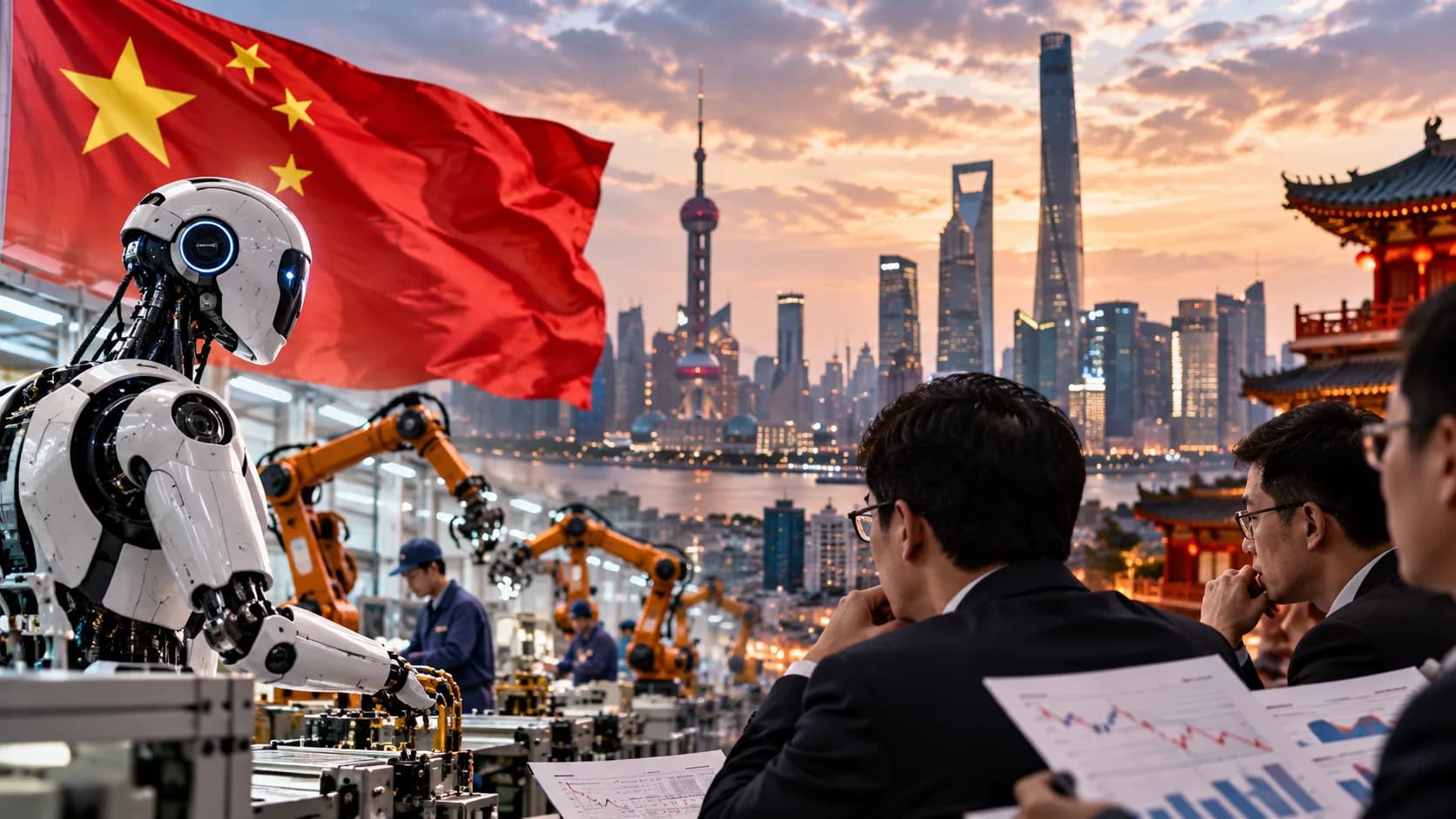
चीन की अर्थव्यवस्था में AI अब सिर्फ प्रयोग नहीं
चीन में Artificial Intelligence अब केवल chatbots या technology companies तक सीमित नहीं रह गई है। Manufacturing, finance, business services, education, media और दूसरे क्षेत्रों में AI का इस्तेमाल बढ़ रहा है।
International Labour Organization की सितंबर 2026 में प्रकाशित research ने 21 चीनी कंपनियों का विस्तृत अध्ययन किया। अध्ययन में शामिल हर कंपनी या तो AI का इस्तेमाल कर रही थी या निकट भविष्य में इसे अपनाने की ठोस योजना बना चुकी थी। 1,591 professionals के एक complementary survey में 56% respondents ने AI को inevitable trend माना, जबकि 47% का मानना था कि AI जितनी नौकरियां खत्म करेगा, उससे ज्यादा पैदा कर सकता है।
यह तस्वीर बताती है कि चीन में AI adoption theoretical stage से आगे बढ़ रही है।
लेकिन सवाल यह है कि क्या AI की तेज प्रगति पूरे Chinese economy को समान गति से ऊपर उठा पाएगी?
कुछ अर्थशास्त्रियों का जवाब है—अभी यह मान लेना जल्दबाजी होगी।
Productivity में AI के शुरुआती फायदे दिखे
ILO study में शामिल कंपनियों ने कई क्षेत्रों में महत्वपूर्ण efficiency gains की जानकारी दी।
रिपोर्ट में कुछ workflows में 30% से 100% तक efficiency improvement, smart manufacturing में 20% से 30% production-efficiency gains, customer-query handling में 150% वृद्धि और recruitment cycle time में 57% कमी जैसे परिणाम दर्ज किए गए।
हालांकि, ILO ने यह भी स्पष्ट किया कि productivity measurement अभी असमान और अधूरा है। इसलिए इन company-level results को पूरे Chinese economy की productivity growth का प्रमाण नहीं माना जाना चाहिए।
फिर भी, ये उदाहरण बताते हैं कि AI कंपनियों के काम करने के तरीके को वास्तविक रूप से बदलना शुरू कर चुकी है।
पुरानी economy कमजोर, नई technology economy मजबूत
चीन के सामने एक असामान्य आर्थिक स्थिति बन रही है।
एक तरफ property और traditional investment-led growth model कमजोर हुआ है। दूसरी तरफ AI, EVs, robotics, pharmaceuticals, green industries और digital technologies तेजी से आगे बढ़ रही हैं।
IMF के Finance & Development में सितंबर 2026 में प्रकाशित analysis के अनुसार, China की National Bureau of Statistics द्वारा परिभाषित “three new” economies—नई industries, business formats और business models—का combined value added 2016 से 2024 के बीच करीब 10% सालाना बढ़ा।
DeepSeek की AI progress, electric vehicles, commercial aircraft, robotics और innovative drugs इस emerging technology economy के उदाहरण हैं।
समस्या यह है कि IMF analysis के अनुसार पुरानी growth engine इतनी तेजी से कमजोर हुई है कि नई industries अभी पूरे economy का भार उठाने के लिए पर्याप्त बड़ी नहीं हैं।
Economists की पहली चिंता: China की demand पहले से कमजोर
China की AI strategy पर सबसे महत्वपूर्ण सवाल technology की क्षमता से नहीं, बल्कि economy के demand side से जुड़ा है।
People's Bank of China की monetary policy committee के सदस्य Huang Yiping ने 19 सितंबर को Beijing में एक economic forum में चेतावनी दी कि AI के व्यापक इस्तेमाल से चीन में strong production और weak demand के बीच असंतुलन बढ़ सकता है।
उन्होंने कहा:
“As AI is deployed more widely and innovation accelerates, the imbalance between strong supply and weak demand could worsen.”
उनका कहना था कि aggregate demand और supply के बीच मौजूदा contradiction जल्दी खत्म होने की संभावना नहीं है।
यह चिंता महत्वपूर्ण है क्योंकि China पहले से property downturn, local-government debt और cautious household spending से जूझ रहा है।
अगर AI factories और businesses को अधिक सामान और services कम workers के साथ बनाने में सक्षम बनाती है, लेकिन household incomes और consumption उसी गति से नहीं बढ़ते, तो China ज्यादा produce कर सकता है—लेकिन सवाल रहेगा कि खरीदेगा कौन?
AI कहीं supply-demand imbalance और न बढ़ा दे
AI की सबसे बड़ी economic promise productivity है।
लेकिन productivity growth तभी व्यापक आर्थिक फायदा देती है जब उससे पैदा होने वाला लाभ wages, household income, employment, lower prices या नए investment के जरिए economy में फैलता है।
IMF analysis ने इसी जोखिम की ओर इशारा किया है। अगर AI-driven productivity household incomes और consumption की तुलना में ज्यादा तेजी से बढ़ती है, तो China को अतिरिक्त output के लिए foreign markets पर और निर्भर होना पड़ सकता है।
ऐसी स्थिति China के पहले से बड़े external surplus को और बढ़ा सकती है—ऐसे समय में जब कई trading partners Chinese industrial capacity और exports को लेकर चिंतित हैं।
इसलिए AI की सफलता केवल यह नहीं होगी कि Chinese factories कितनी efficiently produce करती हैं। असली परीक्षा यह होगी कि नई productivity से household income और domestic consumption कितना बढ़ता है।
दूसरी बड़ी चिंता: Jobs
AI transformation का दूसरा संवेदनशील मुद्दा रोजगार है।
ILO के China-focused research के मुताबिक अभी अध्ययन की गई कंपनियों में AI ज्यादातर hybrid workflows में इस्तेमाल हो रही है—यानी technology इंसानों के साथ मिलकर काम कर रही है, पूरी तरह उन्हें replace नहीं कर रही।
फिर भी long-term displacement risk मौजूद है।
IMF का broader assessment भी कहता है कि AI productivity बढ़ा सकती है, लेकिन कुछ occupations में jobs displacement और wage pressure पैदा कर सकती है। विशेष रूप से middle-skilled workers automation के प्रति ज्यादा exposed हो सकते हैं।
China के लिए यह मुद्दा इसलिए और महत्वपूर्ण है क्योंकि employment केवल economic output का सवाल नहीं है; household confidence और consumption भी इस पर निर्भर करते हैं।
Beijing के सामने मुश्किल balancing act
China की सरकार के सामने इसलिए एक कठिन विरोधाभास है।
अगर companies को AI adoption के जरिए maximum efficiency हासिल करनी है, तो automation कुछ roles की जरूरत कम कर सकती है।
लेकिन अगर authorities employment बचाने के लिए companies को workforce reduction से रोकती हैं, तो AI से मिलने वाले productivity gains सीमित हो सकते हैं।
Reuters Breakingviews ने जून में इसी tension को रेखांकित करते हुए कहा था कि Beijing innovation और AI investment को बढ़ावा देना चाहता है, लेकिन साथ ही बड़े पैमाने पर layoffs से भी बचना चाहता है।
यानी policymakers को productivity और employment के बीच संतुलन बनाना होगा।
क्या चीन AI पर जरूरत से ज्यादा पैसा लगा रहा है?
कुछ economists की तीसरी चिंता resource allocation को लेकर है।
AI infrastructure बेहद capital-intensive है। इसमें data centres, chips, computing infrastructure, energy, research और highly skilled workers की जरूरत होती है।
इसलिए सवाल केवल यह नहीं है कि AI investment productive है या नहीं। सवाल यह भी है कि वही पैसा अगर household consumption, pensions, healthcare, social protection या दूसरी economic priorities में लगाया जाता तो उसका तत्काल प्रभाव क्या होता?
IMF analysis का तर्क है कि technology-led model को sustainable बनाने के लिए China को household income, services consumption और domestic demand के जरिए growth को अधिक balanced बनाना होगा।
इसमें pensions, healthcare, childcare, education और unemployment insurance पर ज्यादा spending precautionary savings को कम कर सकती है और households को अधिक खर्च करने का confidence दे सकती है।
AI investment बनाम consumer spending
यहीं China की economic strategy को लेकर बड़ा debate सामने आता है।
Technology-first approach का तर्क है कि AI, robotics और advanced manufacturing में आज किया गया investment भविष्य में higher productivity, technological independence और globally competitive industries तैयार करेगा।
इसके विपरीत कुछ economists का कहना है कि अगर consumers कमजोर हैं, businesses को पर्याप्त demand नहीं मिल रही और household incomes तेजी से नहीं बढ़ रहीं, तो केवल production capacity बढ़ाना पर्याप्त नहीं होगा।
IMF के analysis में इसे स्पष्ट रूप से balanced-growth challenge के रूप में देखा गया है: नई production capability को stronger domestic demand में बदलना जरूरी है।
AI boom को रोकना भी China के लिए आसान विकल्प नहीं
इन चेतावनियों का अर्थ यह नहीं है कि China को AI investment रोक देना चाहिए।
AI global economic और geopolitical competition का प्रमुख क्षेत्र बन चुकी है। China के पास large manufacturing base, engineering talent, enormous domestic market और state-backed investment capacity जैसे महत्वपूर्ण advantages हैं।
2026 की पहली छमाही में China के information-services investment में 19.2% की वृद्धि दर्ज की गई, जिसे National Bureau of Statistics ने AI expansion से जुड़ा बताया।
AI का इस्तेमाल advanced manufacturing, robotics और industrial automation में China की existing strengths को और बढ़ा सकता है।
इसलिए policymakers के लिए वास्तविक विकल्प “AI या no AI” नहीं है।
सवाल यह है कि AI-led investment और household-led economic recovery के बीच संतुलन कैसे बनाया जाए।
China की AI transformation की असली परीक्षा अभी बाकी
China में AI transformation के शुरुआती संकेत स्पष्ट हैं—companies technology अपना रही हैं, productivity improvements सामने आ रहे हैं और advanced industries traditional growth sectors की कमजोरी के बीच नई economic engine बनने की कोशिश कर रही हैं।
लेकिन economists की चेतावनी technology की क्षमता को नकारती नहीं है।
उनकी चिंता यह है कि productivity बिना पर्याप्त jobs, wages और consumption के sustainable growth में नहीं बदल सकती।
अगर AI से China अधिक efficiently produce करता है लेकिन households पर्याप्त खर्च नहीं करते, तो supply-demand imbalance बढ़ सकता है। वहीं अगर automation employment को प्रभावित करती है, तो household confidence और consumption पर अतिरिक्त दबाव पड़ सकता है।
यही कारण है कि China की AI-led transformation की सफलता अंततः केवल models, robots, chips या data centres की संख्या से नहीं मापी जाएगी।
असली सवाल यह होगा कि AI से पैदा हुई productivity ordinary households की income, employment और consumption में कितनी बदलती है। यही वह आर्थिक संतुलन है जिस पर economists अभी सबसे ज्यादा ध्यान देने की सलाह दे रहे हैं।